Persistent Site Awareness
Maintains carrier-agnostic bounded-site watch over facilities, corridors, approaches, and areas of interest.
Sahtune is mission software that turns uncrewed sensing into explainable, evidence-backed information for human operators.
Kanatir builds uncrewed aircraft and the mission software that turns their sensing into information an operator can review, trust, and release.
Defence sites, public-safety operations, borders, ports, energy assets, and mining sites already produce fragmented observations. Sahtune is the mission operating layer that turns those inputs into explainable information a human operator can review.
Imagery, signals, telemetry, reports, KX platforms, fixed masts, and partner systems route into one software layer. The capabilities split the work, then converge into mission objects that carry evidence, uncertainty, and review state.
Maintains carrier-agnostic bounded-site watch over facilities, corridors, approaches, and areas of interest.
Associates observations across sensor classes so one event is not shown as five disconnected facts.
Attaches provenance, policy state, data labels, audit evidence, masking support, and release review.
Gives the human operator a mission picture with sources, uncertainty, AI assistance, and decisions kept visible.
Connects third-party sensors, government feeds, prime-contractor systems, and infrastructure data, and returns governed information to the systems a customer already runs.
Sahtune starts with defence and government security missions for Canada. The same platform thesis can later be assessed for lawful allied and broader global deployments where support, export, privacy, and operating conditions are validated.
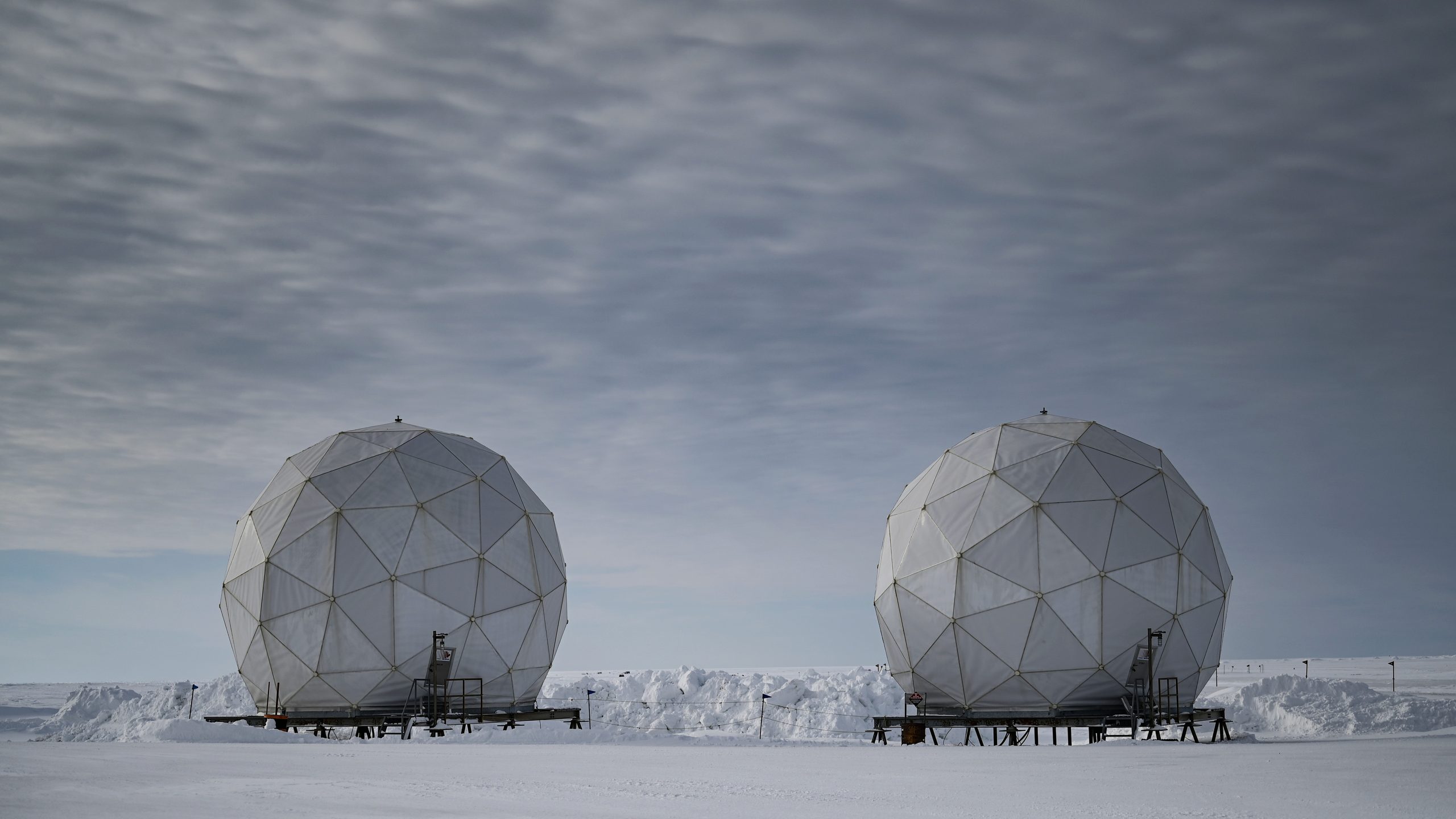
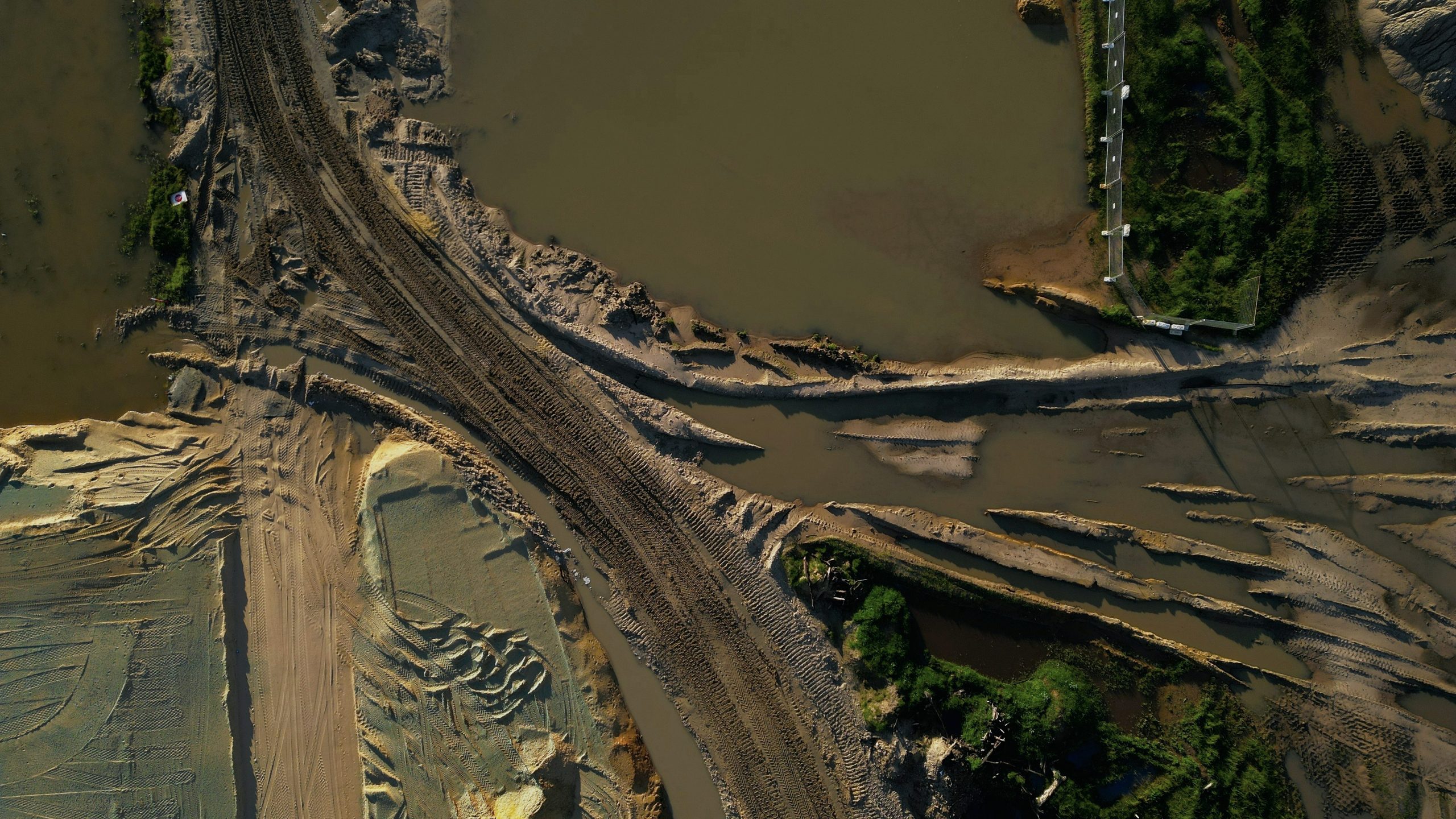

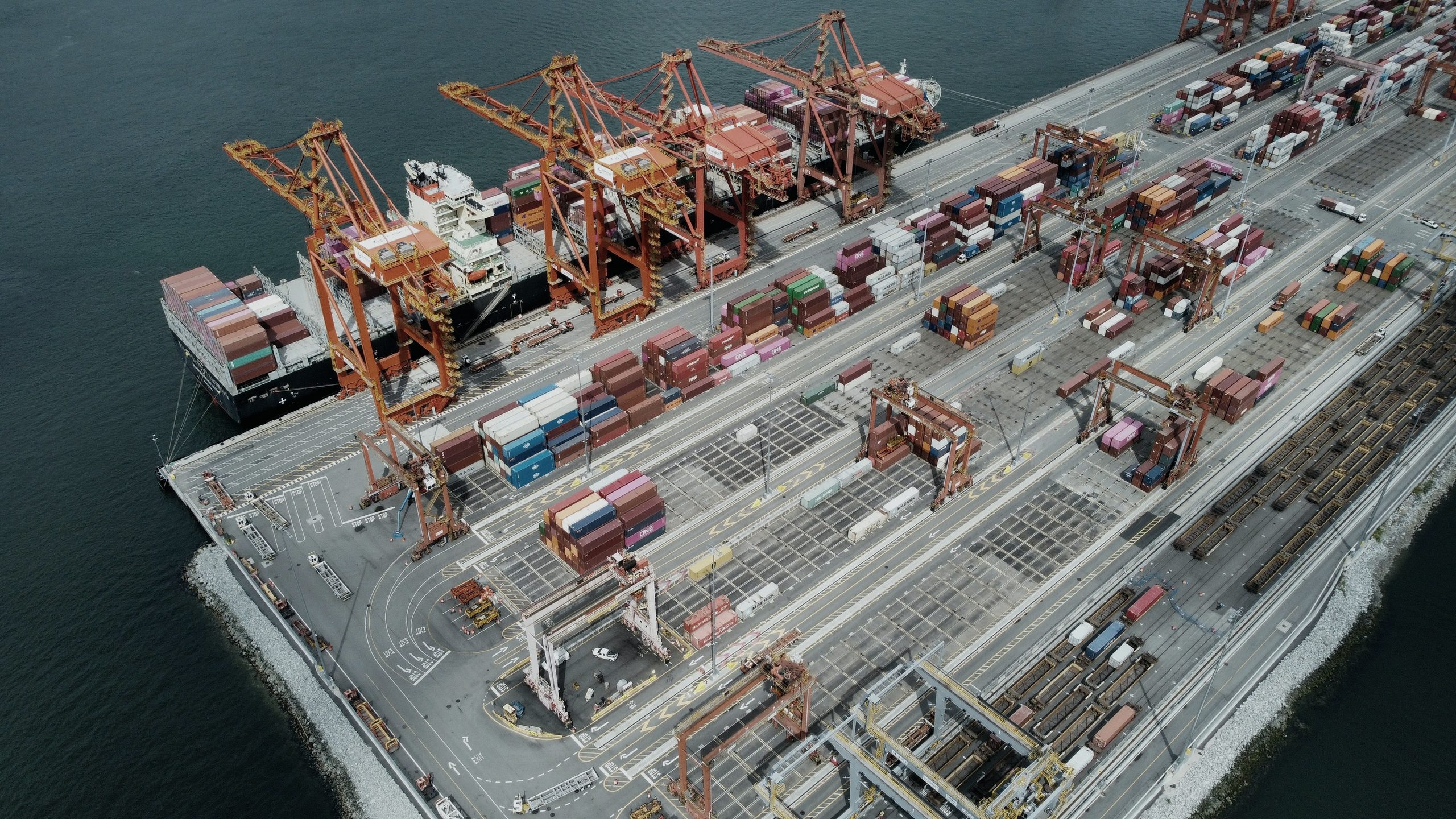
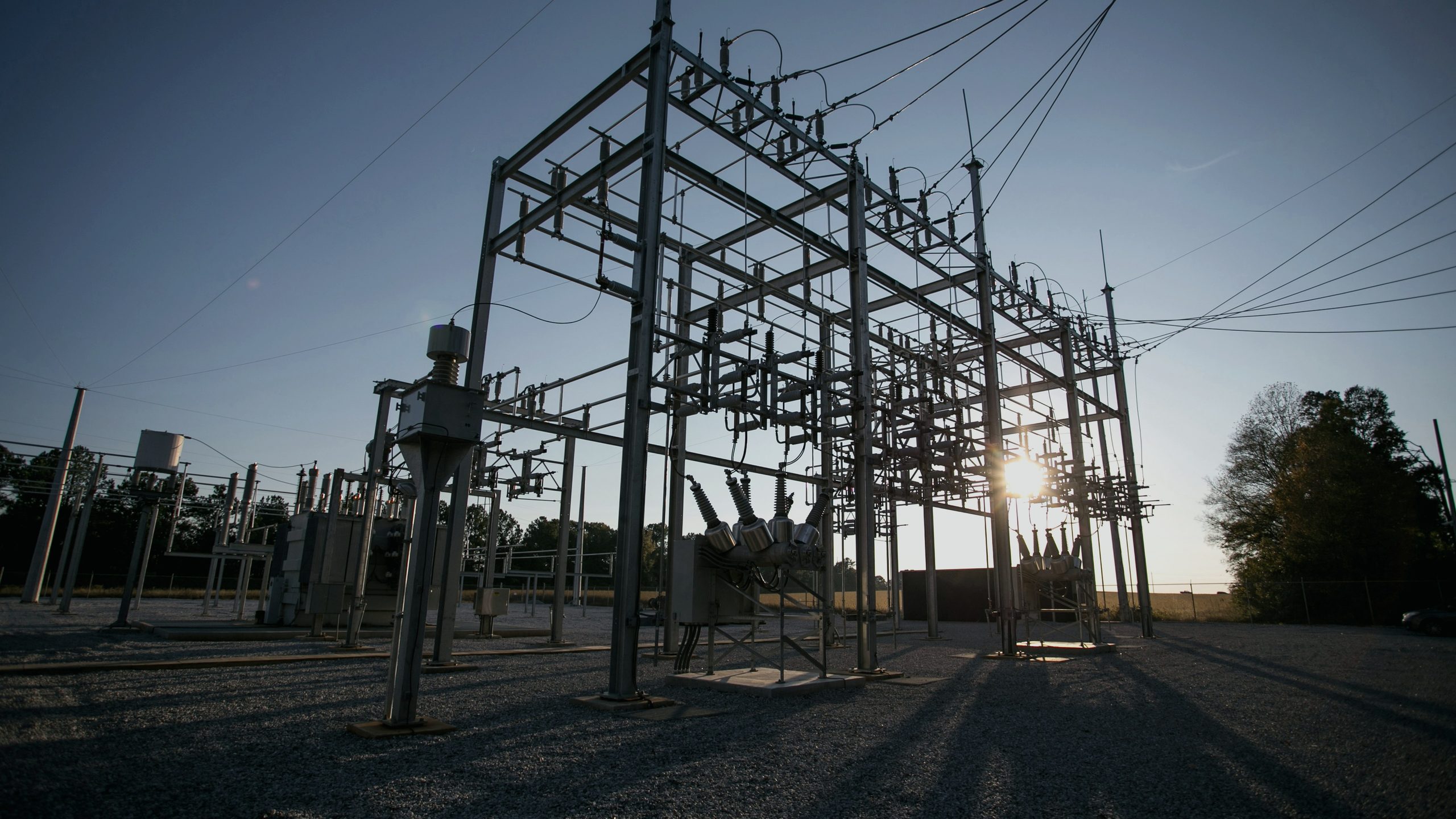
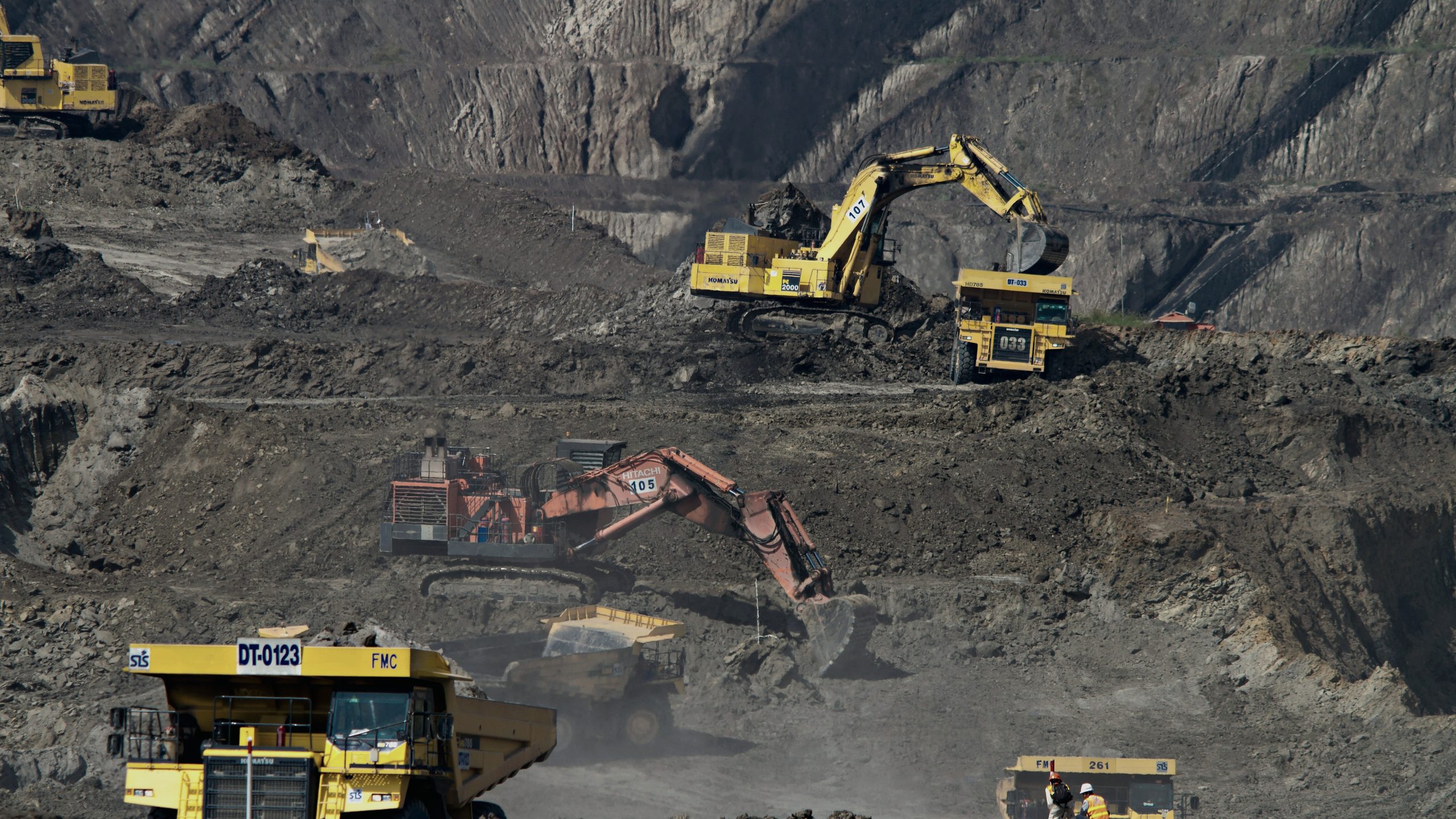
Persistent Site Awareness is a Sahtune capability for unbroken watch over a bounded site. Its demanding narrow-area workload is referred to internally as NAMI, narrow-area motion imagery, the deliberate inversion of wide-area surveillance. The carrier can be a mast, tower, KX platform, or partner carrier. Sahtune emits tracks, changes, uncertainty, provenance, and review tasks. Raw imagery is not downlinked by default.
Persistent Site Awareness is multi-carrier. A single site can be held by several carriers in rotation so watch stays unbroken, and the same capability can watch more than one bounded site at once. AI assists the operator in planning coverage: proposing rotations, flagging a forming gap, and recommending handoff timing. The operator approves the plan. Carriers hold the sites. Nothing tasks itself.
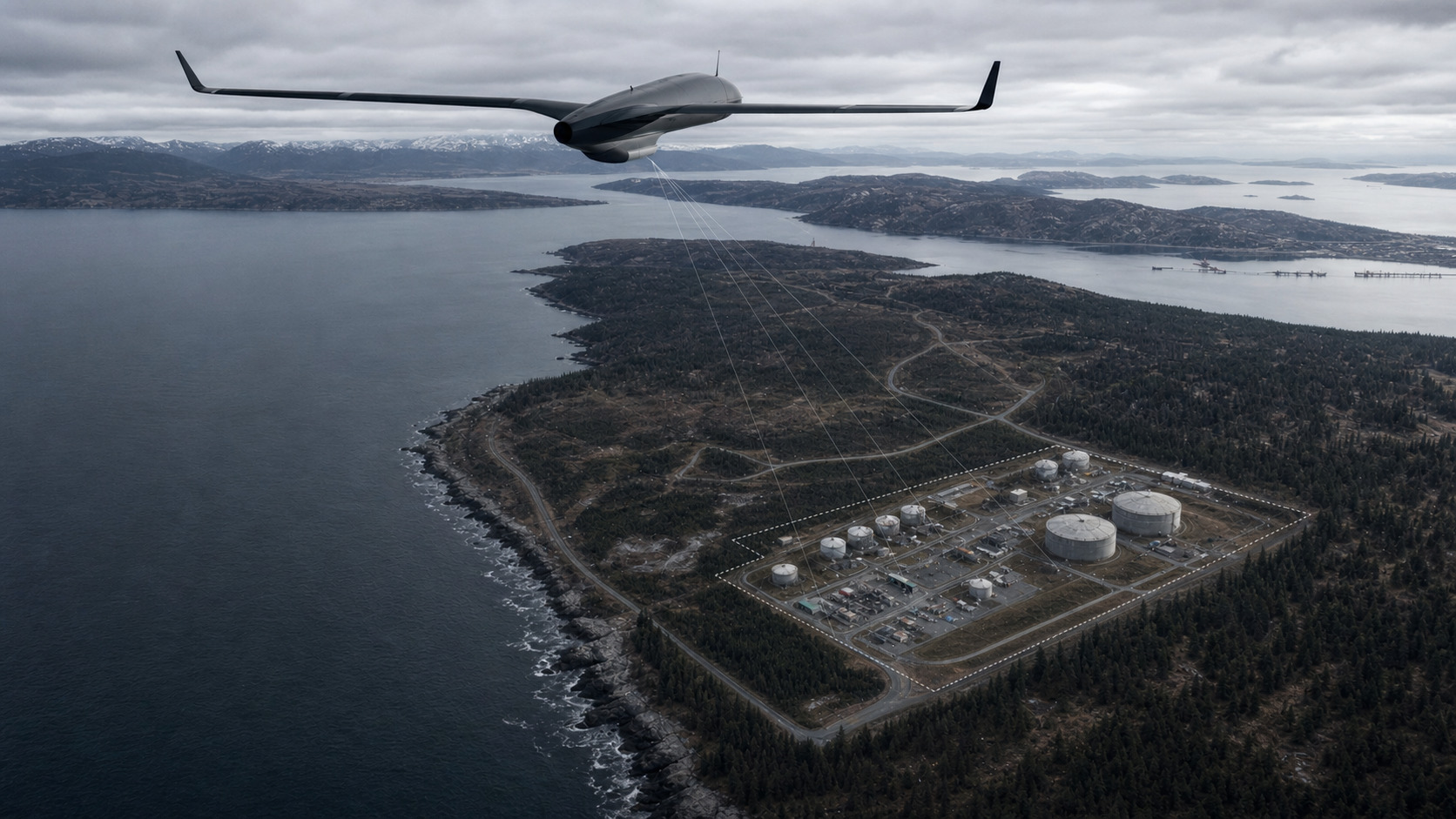
A family of uncrewed carriers on one shared integration core, built so the software is exercised against hardware, power and timing that actually exist.
Sahtune runs on masts, towers, sensors you already own, partner airframes, and KX. Carrier and software are separate decisions.
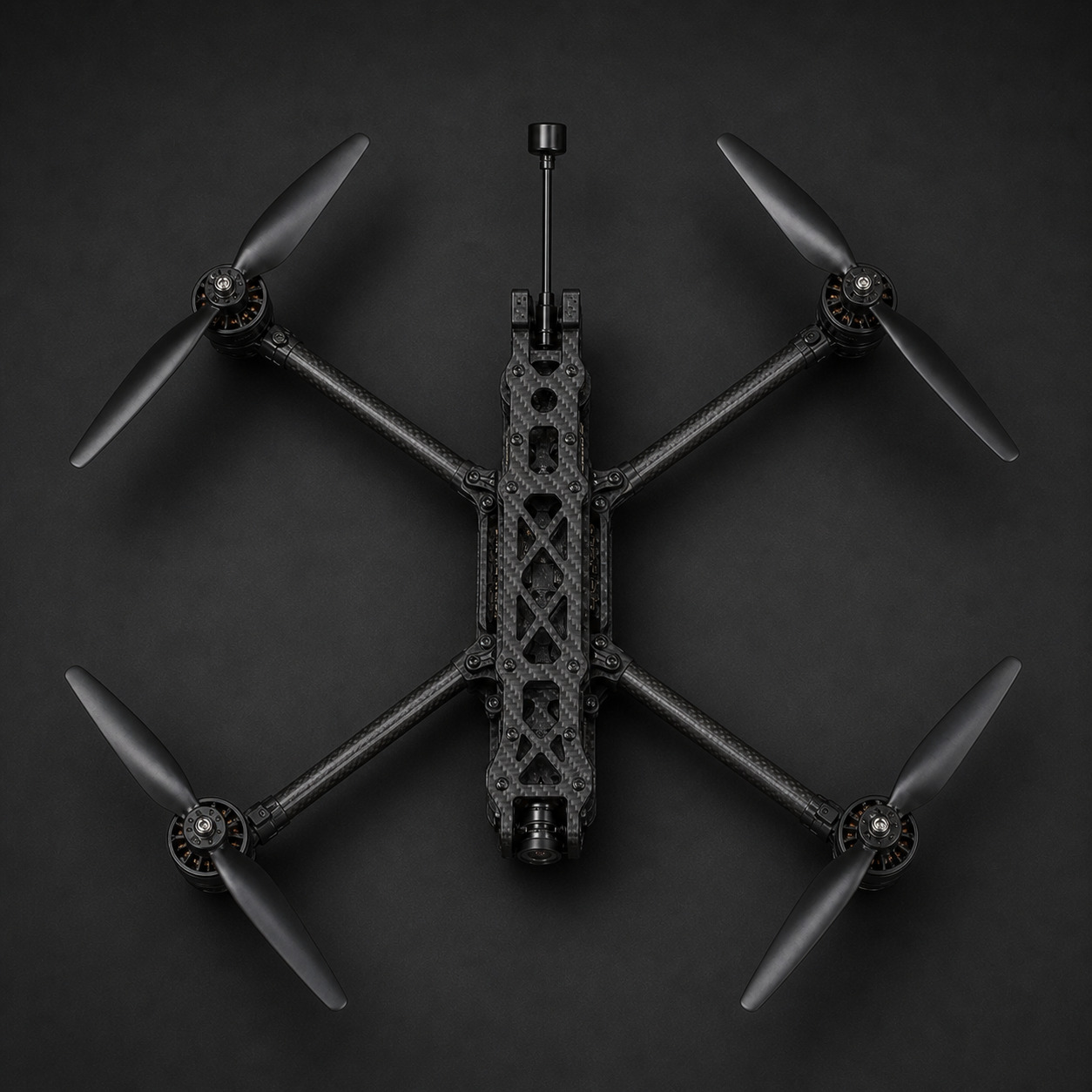
Open-frame carrier for proving the KX integration core, payload placement, power paths and field-serviceable avionics.

Enclosed carrier for site work, protected sensing payloads and clean integration around front-facing optics.
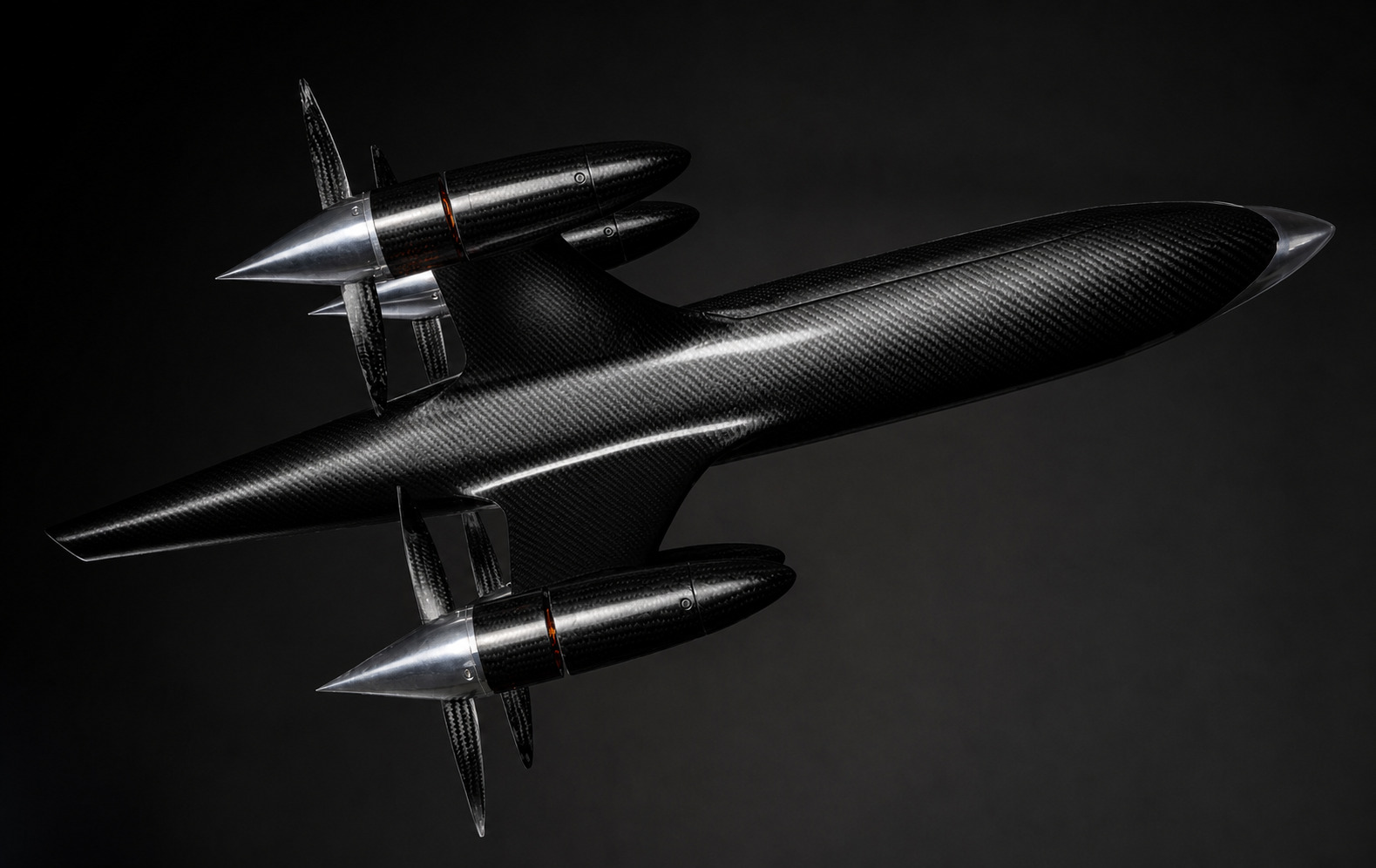
Compact high-speed sensing carrier for time-critical observation tasks, software timing tests and power integration under forward-flight loads.
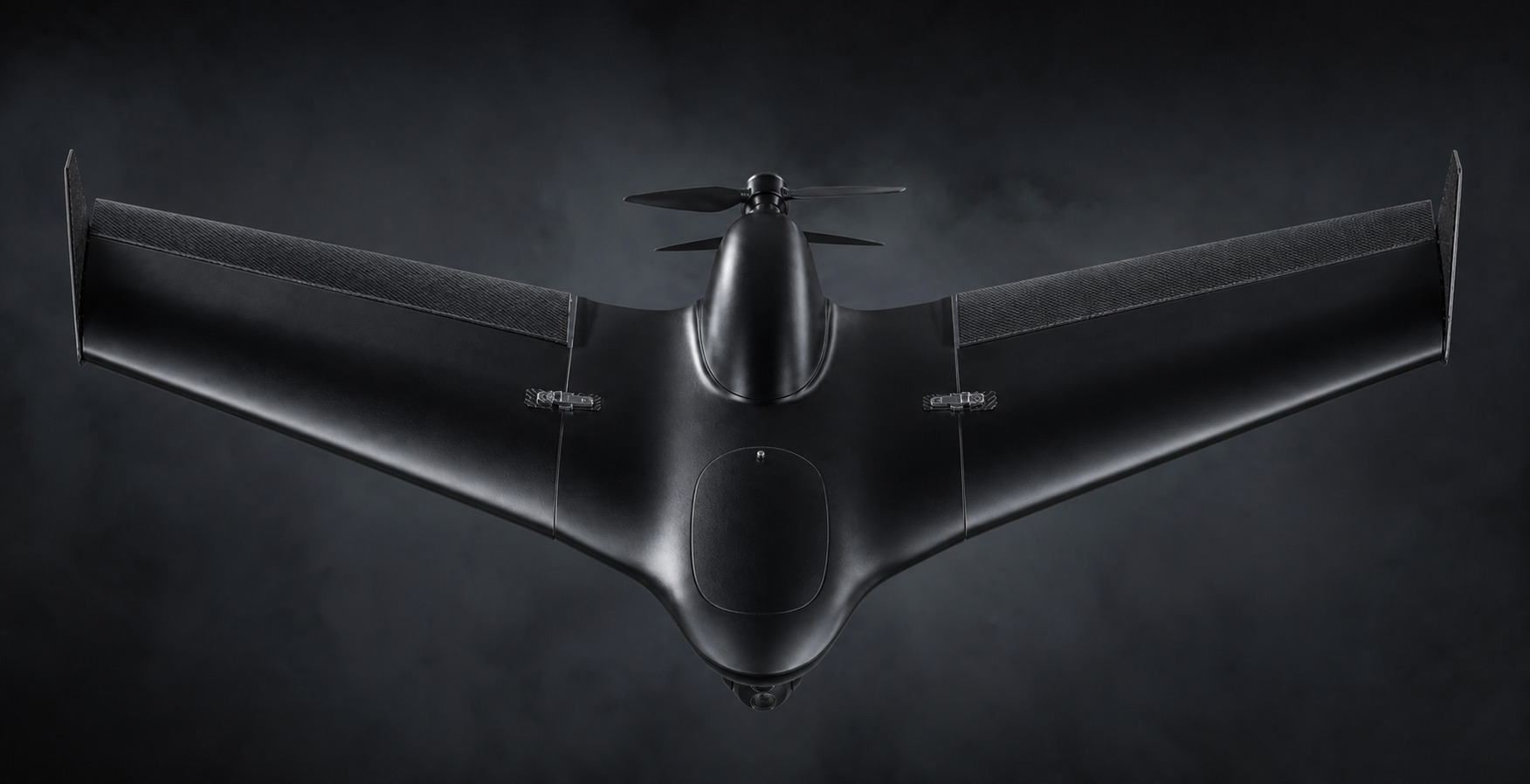
Fixed-wing carrier direction for range, mapping and persistent watch beyond multirotor reach, with a lower EO payload position.
What stops mission software from becoming airframe-specific. The same discipline applies to carriers Kanatir did not build.
Airframe visuals are concept renders.
The platform overview above describes the chain. The operational console shows it running: seven screens, one shared operator shell, following a single event from sensing through a governed decision. Every screen uses representative data on a concept build.
Concept build
A single event at a Canadian coastal defence-energy site, tracked through a degraded carrier handoff. The same scenario runs through the operational console, so the video and the interface tell one story.
Concept build. Screens use representative data. No fielded system, certification or measured performance is implied.
We welcome enquiries from government and grant reviewers, partners, technical collaborators, and prospective team members. Choose the category that fits best and we will route your message appropriately.
Do not submit classified, controlled, export-restricted or sensitive operational information through this form. Send only unclassified, releasable details. For sensitive discussions, request a briefing and we will arrange an appropriate channel.
Prefer email? Reach us at info@kanatirkinetics.com.